















KFC Marketing Strategy & “Finger Lickin’ Good” Advertising Campaigns
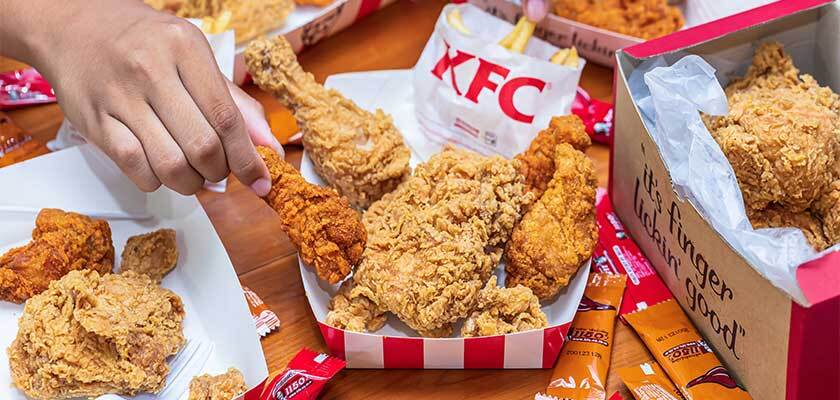
Who doesn’t like juicy on the inside and crispy on the outside delicious fried chicken that is finger lickin’ good? Well, most of us are familiar with the secret recipe of the Colonel and it’s without a doubt one of the most well-known brands around the world. Yes, we’re talking about Kentucky Fried Chicken.
With its irresistible fried chicken, KFC is everyone’s favorite and in fact is the second largest fast food chain in the world after McDonald’s and we’re here to dive into its delicious success from the day it was founded. And thanks to its clever KFC advertisements, the brand’s finger lickin’ good reputation has gone global, charming foodies of all cultures and corners of the world with its irresistible appeal.
But beyond the cravings, there’s a smart, data-backed marketing machine behind the scenes. Just take a look at a few quick facts:
- Operates in over 30,000 locations worldwide
- Valued at $6.7 billion in 2024 (brand value)
- Holds 96% brand awareness in the United States
- Generates global revenue of around $31.1 billion annually
- Built on a unique selling proposition-11 herbs and spices
Is its success merely a result of being “so good”? We say no. KFC’s marketing strategy is a complex one, and we’ve explained the most important elements below. Let’s go!
Inside KFC Marketing Campaigns
- Marketing Mix of KFC
- Breaking Down the KFC Marketing Strategy
- Top 11 Advertising Campaigns of KFC
- Kentucky Fried Turkey for Christmas?
- Made Your Decision
- Cheesy Zinger Melt
- “Finger Lickin’ Good” Campaign
- Dip ‘N Share
- First Bite
- The Story of The Little One Campaign
- KFC South Africa – Anything For The Taste
- Crossroads
- Chickenstock
- KFC Singapore – Colonel’s Guarantee
- FAQ about KFC Marketing Campaigns
- strong visual identity
- taste-focused positioning
- culturally adapted campaigns
- digital-first mindset
- playful brand voice
Let’s take a closer look at how KFC brings all of this to life. - Logo: KFC’s logo is a simple, yet effective design that features the image of Colonel Sanders. The logo is instantly recognizable and helps to create a strong sense of brand identity.
- Slogan: One of the most popular slogans the brand has is “It’s finger lickin’ good!” This slogan is catchy and memorable, and it helps to associate KFC with delicious food.
- Color scheme: KFC’s color scheme is red and white. These colors are bright and eye-catching, and they help to create a positive brand image.
- Typography: The font that KFC uses is minimalistic yet elegant helping to create a sense of sophistication and class for the brand itself.
- Packaging: With its simple and stylish packaging, KFC packaging helps to protect the food while promoting the brand in an effective way.
- International expansion: KFC entered the Chinese market in 1987 and has since become one of the most successful foreign brands in the country. One of the key factors in KFC’s success in China has been its focus on localization. KFC has adapted its menu to Chinese tastes, offering items such as congee, rice rolls, and even dim sum. In addition to its focus on localization, KFC has also been successful in China due to its early entry into the market. KFC was the first Western fast-food chain to open in China, and this gave it a significant head start over its competitors such as McDonald’s, Burger King, and more. KFC was also able to benefit from the country’s economic growth, which led to an increase in disposable income and a growing demand for Western food.
- Digital transformation: The company is investing in digital transformation to improve its customer experience. KFC is using technology to make it easier for customers to order food, find restaurants, and redeem rewards. The brand has been undergoing a digital transformation in recent years, with the goal of becoming a more customer-centric and data-driven company. As part of this transformation, KFC has invested in new technologies, helping Kentucky Fried Chicken to improve the customer experience, increase efficiency, and gain insights into customer behavior. One of the key aspects of KFC’s digital transformation has been the focus on mobile ordering. KFC’s mobile app allows customers to order food, pay for their orders, and track the status of their orders. The app has been a success, with over 10 million downloads.
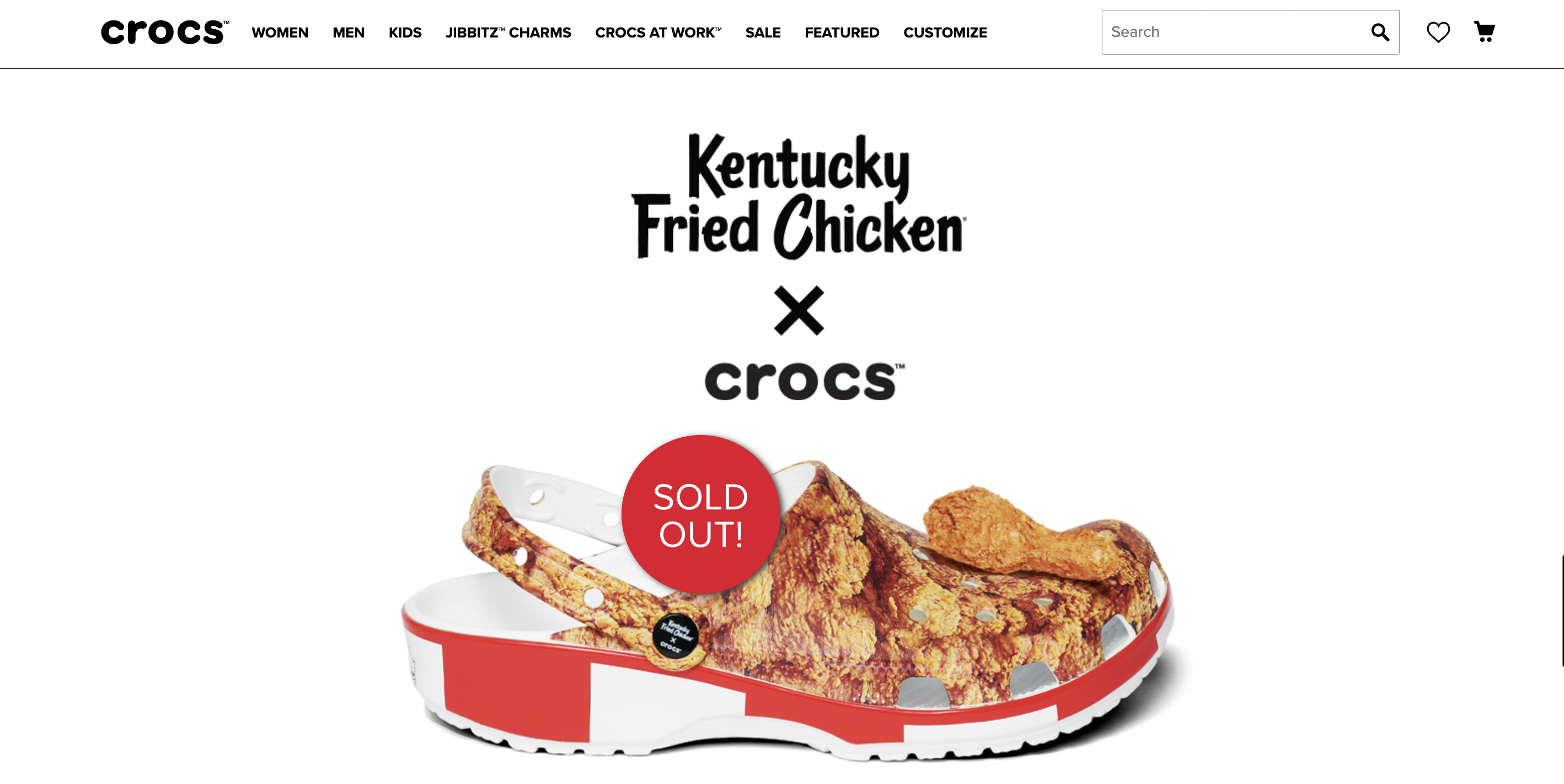
- Partnerships: KFC partners with other global brands from various industries to cross-promote its products. In fact, the brand does this in the most absurd way! Here’s a collaboration between KFC and Crocs:
- Declaring “We saw you. We heard you. And we ignored you” flipped the typical, people-pleasing holiday ad format on its head. It allowed KFC to aggressively defend its core menu identity.
- Not by blindly following the marketing trend of adopting all User-Generated Content (UGC), they openly mocked holiday requests to swap chicken for turkey. This rebellious stance felt incredibly authentic to the brand’s witty, unapologetic digital voice.
- We love how this campaign directly tackled modern “menu anxiety” at the drive-thru. By framing the return of KFC Wraps as the effortless, no-brainer lunch decision, the brand removed purchasing friction.
- It used crisp, hyper-focused digital messaging to target fast-moving, price-sensitive consumers who want a premium-tasting meal without having to overthink their order.
- Bringing back a cult-favorite product is always a winning strategy, but KFC elevated it by treating the relaunch like an event.
- By supporting the digital rollout with physical, interactive elements (like mall pop-ups where fans could punch a physical boxing glove or play claw machines to win merchandise) they turned a simple burger release into a viral social media moment.
- When the global pandemic made hand-hygiene paramount, KFC temporarily paused their 64-year-old slogan. However, instead of hiding it, they cleverly pixelated and blurred the words “Finger Lickin'” on their billboards and packaging.
- By literally censoring their own tagline, they generated massive global PR. It proved that a brand asset can be so powerful that it becomes even more famous when you choose not to say it.
- Developed alongside creative partners, this festive campaign bundled a dipping bucket with an actual, custom-designed tabletop card game.
- It recognized that during the holidays, consumers crave connection. Giving families and friends a physical reason to sit, play, and eat together successfully transformed a fast-food purchase into a memorable holiday tradition.
- This KFC campaign bypassed long narratives to focus entirely on the dramatic, slow-motion, visceral anticipation right before a customer takes that initial bite of crispy chicken.
- Every fried chicken fan knows the feeling of searching for the absolute perfect, crispiest spot to bite first. By mirroring this highly specific, relatable human behavior, the ad created immediate, uncontrollable appetite appeal.
- It repositioned the Colonel as an edgy, eccentric, and cool character that younger digital audiences actually wanted to engage with, effectively waking up the brand’s iconic status in a cold market.
- Riding the massive wave of cultural obsession with internet scammer documentaries, this campaign told the cinematic story of a legendary fake food inspector who conned stores out of free chicken.
- Turning a widespread South African internet rumor into a highly polished, hilarious ad was pure genius. It perfectly positioned KFC’s flavor as something so irresistible that people would literally commit a crime just to taste it.
- Staging a high-stakes, Spaghetti-Western standoff between a turkey and a chicken was visual comedy at its finest.
- It allowed KFC to crash the Christmas advertising season with a loud, memorable message: “Turkey comes and goes, but chicken is here to stay.”
- Noticing that countless independent, counterfeit restaurants across the MENA region were stealing low-res, pixelated Google images of KFC chicken for their menus, KFC did the unthinkable—they launched a free, open-source, high-res image library.
- By telling copycats, “Wanna steal our images? Fine, but do it properly,” KFC showcased a phenomenal sense of humor. This boosted their brand likeability by 24% while delivering a brilliant underlying punchline: You can steal our photos, but you can’t steal our taste.
- Launching a first-of-its-kind, 1-for-1 fried chicken exchange policy where customers could literally trade in a piece of chicken if it wasn’t fresh, juicy, and tender was a massive operational gamble that paid off.
- This campaign completely cut through standard fast-food marketing fluff. By putting their money where their mouth was, KFC Singapore built unbreakable trust and reasserted themselves as the undisputed quality leaders in fried chicken.
Marketing Mix of KFC
KFC’s marketing mix is a key factor in the company’s success. The brand’s focus on product quality, competitive pricing, and effective marketing has helped it to become one of the global fast food chains in the world. The marketing mix of KFC is a set of strategies that the company uses to reach its target market and promote its products. The four Ps of the global brand’s marketing mix is product, price, place, and promotion. Let’s take a closer look at the 4 Ps:
Product
KFC’s product mix includes a variety of chicken-based dishes, such as fried chicken, chicken sandwiches like the well-loved zinger burger, and chicken wraps. The company also offers a variety of side dishes, such as french fries, mashed potatoes with delicious gravy sauce, coleslaw, and biscuits. In addition to KFC’s classic menu, the brand also offers a variety of desserts, such as ice cream, cookies, and pies.
View this post on Instagram
Price
Kentucky Fried Chicken prices its products competitively and offers a variety of value meals and discounts to attract customers. KFC also offers a loyalty program that rewards customers for their purchases.
Place
The brand has a global presence with over 25,000 restaurants in over 150 countries and its restaurants are located in a variety of settings, including malls, airports, and stand-alone locations.
Promotion
KFC uses different types of promotional strategies to reach its target audience such as television, radio, print, and online advertising to promote its delicious products. The brand also sponsors sporting events and other cultural events to generate awareness of its brand.
Is Your Marketing Serving Enough Flavor Like KFC?
If not, we’re here to help. We reviewed case studies and selected these agencies to craft bold and effective strategies that drive success, just like KFC’s.

Major Tom
We suggest Major Tom as they boosted COBS Bread’s traffic by 32%, increased promo sales by 10%, and cut franchise lead costs by 40%.
Favoured
Handpicked for its results—growing The Fat Crab’s organic reach by 104.9% and increasing engagement for Putt Putt Noodle by 20%.
Breaking Down the KFC Marketing Strategy
KFC’s marketing approach has evolved over the decades, blending consistency with creativity across global markets. The brand focuses heavily on flavor, culture, and identity, and knows how to make each campaign feel fresh while staying instantly recognizable.
Branding Strategy of KFC
We can categorically state that KFC has a branding strategy that has developed over the course of nearly seven decades. Additionally, KFC is without a doubt one of the top brands when discussing digital branding examples in the era we are living in. So how did the brand manage to achieve this? Of course, there were many different ways to do this, and KFC made great use of many of them in its branding strategy, and it clearly succeeded in appealing to a great many people in many countries.
KFC’s unique selling proposition is its unique blend of 11 herbs and spices. The company’s branding emphasized the fact that its chicken is made with a special recipe that makes it taste better than other fast food chicken. In fact, on the official website of Yum! Brands, which KFC is a subsidiary of, states that “If it’s not finger lickin’ good, it’s not us.” With that, it’s safe to say that KFC positions itself as a premium fast food good brand, meaning that the company’s branding emphasizes the fact that its chicken is made with high-quality ingredients and is cooked to perfection. This unique blend not only differentiates KFC’s products but forms the core of KFC value proposition – offering a taste experience that’s unparalleled in the fast-food industry, emphasizing quality and taste above all.
However, KFC’s branding strategy doesn’t stop here. Let’s take a look at some of the key elements the brand uses for its branding strategy that its customers love:
Advertising Strategy of KFC
KFC advertising strategy aims to increase brand awareness among potential customers and to differentiate its products from those of its competitors. But, how does the brand manage to do that? Well, obviously emphasizing the uniqueness of its fried chicken, most importantly its flavor and the Colonel’s secret recipe. In addition, KFC advertising strategy encourages potential customers to visit its restaurants or order its products online. The company’s ads often include a CTA, such as a website address or a phone number.
Kentucky Fried Chicken uses various advertising channels to reach its target audience. As mentioned earlier, traditional media are still a part of KFC advertisement, but digital marketing has also become increasingly important for the brand. Kentucky Fried Chicken actively engages in social media marketing, online promotions, and partnerships with influencers to create buzz and attract customers. The brand also is living proof that digital marketing is essential for every business. Thus, if you’re also on the hunt for the most effective digital marketing strategy, collaborating with marketing agencies for the food industry should be your first priority. KFC advertisement is a key ingredient in its recipe for success, all about bringing that “Finger Lickin’ Good” magic to life with a mix of fun and creativity in every campaign.
Here’s a carefully thought KFC campaign example:
The brand also adapts KFC marketing campaigns to suit local preferences and cultural contexts. While maintaining a consistent brand image globally, they tailor their promotions to resonate with specific markets by incorporating local flavors, traditions, and celebrities.
Last but not least, KFC consistently introduces new menu items and limited-time promotions to keep customers engaged and attract new ones. They experiment with different flavors, meal combinations, and menu extensions to cater to changing consumer preferences and maintain excitement around the world. For instance, KFC has announced on its Instagram account that they’re bringing back the Mac Bowls into their menu:
KFC sometimes uses scarcity marketing in its advertising campaigns to create a sense of urgency and encourage people to buy its products before they’re gone. For example, KFC has run ads that offer limited-time discounts or free food. And of course, the brand uses social media in the most effective way as its advertising strategy. We explain it in more detail below.
Social Media Strategy of KFC
Kentucky Fried Chicken is a global brand. Thus, it has specific accounts for most counties on many platforms such as Twitter, Instagram, or Facebook.
Different social media accounts are managed in many different countries such as KFC Singapore, KFC UK, and KFC South Africa. All of them produce content differently according to the target audience. When we examine KFC’s social media accounts, we see that many different countries such as South Africa, India, and the UK have verified social media accounts. Their biggest feature is that they produce funny and enjoyable content. This allows users to follow the brand’s account permanently and to be aware of all kinds of discounts or KFC campaigns.
Here’s how different country KFC accounts interact with users:
The brand creates engaging content in a mix of current events and news. For example, in the tweet below, KFC UK created a hilarious tweet referring to Apple’s new AR/VR glasses, Vision Pro.
KFC’s social media team is active and responsive, and it often uses humor and creativity to connect with customers. The company’s social media campaigns have been successful in generating buzz and driving sales.
KFC does this by responding to comments and questions, sharing user-generated content, and running contests and promotions. The brand also uses social media to promote its products – and brand of course!- The company does this by sharing photos and videos of its food, running effective advertising campaigns, and using hashtags to reach a wider audience. They also offer coupons (which its customers love!) via social media which is always an effective way to attract customers.
More recently, KFC has fully embraced Gen Alpha humor across its global channels, with bizarre, chaotic memes featuring dancing chickens, random POV trends, and even Skibidi Toilet references as Izzy Fletcher highlights on LinkedIn.

Image source: Izzy Fletcher
What might look unhinged to some is actually a smart move. The brand is tapping into a younger generation’s sense of humor in a way that feels native, not forced — and it’s paying off with record engagement.
Growth Strategy of KFC
The company has definitely increased its sales and revenue in recent years thanks to its highly effective growth strategies. The brand uses various tactics for growth:
Top 11 Marketing & Advertising Campaigns of KFC
As we covered all the essential steps that make KFC one of the biggest brands in the world, let’s take a look at how the brand used its marketing and advertising strategies. KFC marketing strategy has been successful in helping the company to grow its business and become a popular fast food chain. The company’s focus on its USP, its target audience, and its marketing channels has helped it to reach a wide audience and promote its brand in a variety of ways.
And, no doubt, KFC has turned a bucket of fried chicken into a global cultural phenomenon. We curated this selection of standout KFC campaigns to showcase the brand’s absolute brilliance in leveraging humor, hyper-localization, self-awareness, and relentless product confidence. From brilliant anti-UGC stunts during the holidays to providing high-res stock photos for their own counterfeiters, these campaigns illustrate exactly how KFC consistently cuts through the digital noise. For agencies and marketers alike, this collection serves as a definitive blueprint for transforming a heritage fast-food brand into a playground of modern, scroll-stopping storytelling.
Kentucky Fried Turkey for Christmas?
Another creative and humorous Kentucky Fried Chicken marketing campaign! During the holiday season, KFC received numerous requests to offer turkey instead of chicken. You can find KFC’s amusing and confident response in the advertisement below:
Why That Campaign Worked
Made Your Decision
Affordable, delectable, and available in three different flavors! KFC has brought back the Chicken Wraps just in time for the holiday season, and you can enjoy two for only $5. They believe in giving you options, so why pick just one? Indulge in the mouthwatering choices of Mac & Cheese, Classic, and Spicy Slaw Chicken wraps, exclusively at KFC. Oh and also, make sure you watch the ad!
Why That Campaign Worked
Cheesy Zinger Melt
Would you believe that the Cheesy Zinger Melt sold out in just 16 days last year? Well, good news for 2023 – KFC has brought back this delicious menu item and even consulted AI to predict a new sell-out date. According to AI, it’s expected to fly off the shelves in 19.2 days. In our opinion, the Cheesy Zinger Melt looks absolutely incredible, and we can’t help but think 19.2 days sounds too long! KFC marketing strategy is a masterpiece, and this strategic ad is one of the best examples of it.
Why That Campaign Worked
“Finger Lickin’ Good” Campaign
Launched in 1956, the “Finger Lickin’ Good” campaign is one of the most successful KFC marketing campaigns in fast food brand history. The slogan continues to be used today, nearly seven decades after the campaign that made KFC famous.
Why That Campaign Worked
Dip ‘N Share
Dip ‘N Share is KFC’s limited-time-only sharing bucket, making the time spent with loved ones during the holidays even better. This highly positive advertisement video not only creates a sense of urgency but also encourages viewers to visit the nearest KFC store.
Why That Campaign Worked
First Bite
After craving for a delicious fried chicken, obviously the most mouth watering part is the first bite. Make sure you’re full before attempting to watch the KFC campaign below!
Why That KFC Campaign Worked
The Story of The Little One Campaign
Perhaps one of the cutest campaigns of Kentucky Fried Chicken is its “The Story of The Little One.”
Why That Campaign Worked
KFC South Africa – Anything For The Taste
The “Anything for the taste” commercial for KFC is a humorous take on the lengths people will go to in order to get their hands on a delicious meal. The commercial begins with a man posing as a food inspector in order to get free KFC. He travels all over South Africa, visiting different KFC restaurants and pretending to inspect their food. The staff at the restaurants are always happy to see him, and they give him free food without question.
Why That Campaign Worked
Crossroads
This funny commercial by Kentucky Fried Chicken begins with a chicken and a turkey facing off at a dusty crossroads. The two animals are clearly rivals, and they’re both eager to prove who’s the best.
Why That Campaign Worked
Chickenstock
KFC’s “chickenstock” case study is a great example of how a company can turn a negative into a positive.
In 2022, KFC was facing a problem with people stealing their images from Google and using them to sell products without permission. Instead of getting angry, KFC decided to take a humorous approach. They created a website called “chickenstock” where people could download high-resolution images of KFC chicken for free. The website was a huge success, and it helped to generate a lot of buzz for KFC.
Why That KFC Campaign Worked
KFC Singapore – Colonel’s Guarantee
In this short campaign ad, KFC supports the idea that they believe every piece of chicken their customers get should be “Finger Lickin’ Good,” and gives their customers the “Colonel’s Guarantee,” to replace your meal if it isn’t.
Why That KFC Campaign Worked
Conclusion
We believe Kentucky Fried Chicken plays the marketing game in the most effective way possible in addition to selling delicious fried chicken. The company certainly does something right to be able to maintain its position as one of the most well-known and loved fast food chains in the world. The brand has powerful marketing strategies that vary precisely depending on the region, country, culture, and target audience. We advise you to collaborate with digital marketing agencies if you’re also trying to up your brand’s or business’s marketing ante.
Now it’s time to lean back and plan your KFC order. Because after all this delicious information, it’s impossible that you haven’t craved a delicious and crispy fried chicken!
FAQ about KFC Marketing Campaigns
What is the secret behind KFC’s long-term marketing success?
KFC’s marketing blends consistency with creativity, and that combination is what’s kept the brand feeling fresh across nearly seven decades. At its core sits a strong visual identity, taste-focused positioning, culturally adapted campaigns, a digital-first mindset, and a playful brand voice that never feels forced. The company’s unique selling proposition, its blend of 11 herbs and spices, gives every campaign a hook to return to. According to Yum! Brands, KFC’s parent company, the guiding principle is simple: “If it’s not finger lickin’ good, it’s not us.” That single-minded focus on taste and quality gives KFC’s marketing team a north star, even as the creative execution shifts wildly from campaign to campaign.
How does KFC adapt its marketing campaigns for different countries and cultures?
KFC runs separate social media accounts for many countries, such as KFC Singapore, KFC UK, and KFC South Africa, each producing content tailored to its local audience. This is a genuine cultural adaptation. In China, for example, KFC entered the market back in 1987 and became one of the most successful foreign brands in the country by adapting its menu to local tastes, offering items like congee, rice rolls, and dim sum. Campaigns get the same localized treatment. KFC South Africa’s “Anything For The Taste” ad built its entire story around a local internet rumor about a fake food inspector scamming free chicken, a joke that only lands with audiences who already know the cultural reference. Meanwhile, KFC Singapore’s “Colonel’s Guarantee” campaign leaned into trust-building with a straightforward one-for-one exchange policy. Each market gets messaging that fits its own cultural rhythm, while the brand’s core identity stays recognizable everywhere.
Why is “Finger Lickin’ Good” campaign considered one of the most iconic advertising slogans ever?
Launched in 1956, the phrase has stuck around for nearly seven decades, which is an almost unheard-of run for a single tagline. Its staying power comes down to simplicity and sensory appeal. It describes an experience everyone can picture immediately. What really cemented its iconic status, though, was a moment of genuine creative bravery. When the pandemic made hand hygiene a serious public concern, KFC didn’t retire the slogan quietly and pixelated and blurred the words “Finger Lickin'” directly on billboards and packaging, drawing massive attention by literally censoring its own tagline. That single move proved the phrase was powerful enough even when it wasn’t being said out loud.
How does KFC use humor and social media to engage younger audiences?
The brand often jumps on trending topics with quick, funny posts, like poking fun at Apple’s Vision Pro headset on KFC UK’s account. That responsiveness makes the brand feel present in the cultural conversation. More recently, KFC has gone even further by fully embracing Gen Alpha humor, posting bizarre, chaotic content featuring dancing chickens, random POV trends, and even Skibidi Toilet references. It might look unhinged from the outside, but it’s a deliberate move to speak the language of a younger generation in a way that feels native rather than forced, and it’s driving record engagement as a result. The brand also keeps the door open with its audience through contests, user-generated content, and coupons shared directly on social channels.
What can marketers learn from KFC’s product launch and limited-time campaigns?
The first one: event-style marketing works. The Cheesy Zinger Melt relaunch turned the release into a full event, complete with mall pop-ups where fans could punch a boxing glove or play claw machines for merchandise. In other words, it transformed a simple food item into a shareable social moment. Another takeaway is that confidence beats people-pleasing. The “Kentucky Fried Turkey for Christmas?” campaign mocked customer requests to swap chicken for turkey during the holidays, and that unapologetic refusal to bend strengthened brand identity. And the Chickenstock campaign shows how a clever response to a real problem, in this case counterfeit restaurants stealing low-quality product images, can be turned into a funny stunt.
How does KFC maintain a consistent global brand while localizing its marketing strategy?
The consistency comes from a handful of unmistakable brand elements that never change: the Colonel Sanders logo, the red and white color scheme, the signature slogan, and the promise built around 11 herbs and spices. No matter which country’s account you’re scrolling through, those pieces stay instantly recognizable. What flexes is everything layered on top of that foundation. Local menus adapt to regional tastes, social content adapts to local humor and cultural moments, and campaigns often star local celebrities or reference local events and internet culture. KFC essentially treats its core identity as a fixed anchor and its execution as adaptable, which lets each country’s team create content that feels authentically local while still being KFC underneath.