10 Brilliant Hotel Marketing Campaigns & Advertising Ideas That Work
Hotel marketing campaigns are meant to do more than just fill rooms.
At their best, they help people picture the stay, feel excited about it, and trust the brand before they ever click “book.” That’s why the strongest campaigns lean on real storytelling, digital touchpoints, and thoughtful personalization to create a genuine connection.
And this is exactly why settling for “okay” marketing just doesn’t work anymore. In a world where hotel advertising campaigns must compete not just on price but on experience, standing out is nonnegotiable.
Or that 61% of people say they booked a hotel after seeing it on Instagram?
Also: 30% of hotel bookings go direct via the hotel website, putting control (and margins) back in your hands.
You’re about to see 10 brilliant hotel marketing campaigns & advertising ideas that deliver. These are campaigns built on strategy, backed by data, and capable of real impact.
Inside Hotel Marketing Campaigns
How to Build Effective Hotel Marketing Campaigns
How can hotels design campaigns that truly resonate with modern travelers while driving bookings and loyalty? By blending data? Using technology? Or building a human-centered strategy?
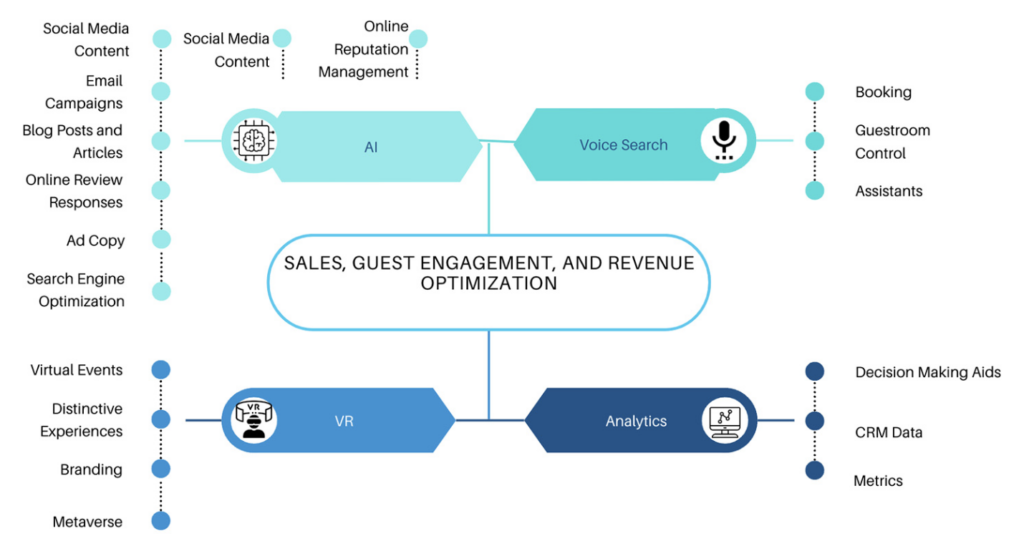
Actually, at that age, hotel marketing looks like the following:
The analysis demonstrates that innovative technologies can significantly enhance customer engagement, streamline booking processes, and unlock new revenue streams.
Another study notes that building effective hotel marketing campaigns is based on balancing technology and human interactions:
The hospitality industry needs to reconfigure its resources and expertise to stay ahead of consumer behavior change with dynamic technology adoption. Additionally, the key to delivering the new reality is through relevant content and services. This can be achieved through people and technology engagement, and optimizing processes across a rapidly evolving set of customer touch points. Given the fact that the consumer is at the eye of the raging technology storm, it becomes a thought point to investigate the customer preferences from multiple vantage points.
It’s about building agile systems that connect with guests across every digital touchpoint: social media, search, mobile, and voice interfaces.
Connect Everywhere, Welcome Everywhere
In hotel marketing, connection is everything, which is why we reviewed leading agency case studies to see who truly delivers across every digital touchpoint. Two names stood out:
What’s more? Here are some 5 suggestions on building effective hotel marketing strategies:
1. Put that Data to Use
Understanding your audience is the foundation of every effective hotel marketing campaign. So, segmentation must move beyond simple demographics. Successful hotels analyze:
Who the guests are (age, income, location, gender)
What they do (travel frequency, booking triggers, channel preferences)
How they think (brand perception, motivations, value expectations)
The most accurate segmentation strategies combine demographic, behavioral, and attitudinal insights. That kind of digital marketing for hotels means designing tailored experiences; retargeting ads for frequent travelers or personalized email offers for eco-conscious guests.
2. Combine People and Technology for Relevance
In hospitality marketing campaigns, technology should enhance, not replace, human connection. Marketing teams can use AI-driven tools for data analysis, but human insight remains essential for interpreting emotion, empathy, and tone in customer interactions.
For hotels, tech (including AI) translates into faster response times, better personalization, and optimized pricing decisions, and each contributes directly to customer satisfaction.
3. Invest in Catering to the On-the-Go Consumer
As mobility becomes central to travel, campaigns must serve the “on-the-go” consumer.
Voice-activated bookings illustrate this evolution: “Hey Siri, and for the next day, book me a hotel in X with a budget of X.”
The rise of voice search changes how customers discover and book accommodations. Hotels must ensure their information on platforms like Google Assistant, Alexa, and Siri is consistently updated.
4. Optimize for SEO and Website
Strong SEO is repeatedly described as “a foundation to all other marketing channels.”
Effective SEO (nowadays, AEO) involves content quality, domain authority, relevance, speed, and mobile optimization.
The same material focuses on designing mobile-first websites and producing authoritative content that adds value to users. Advice that is specifically relevant to hotels looking to attract guests who are researching accommodations online.
In hospitality terms, that means:
Making your booking site load quickly and rank well for local search queries (“hotels near [city/attraction]”).
Maintaining E-A-T (Expertise, Authoritativeness, Trustworthiness) via verified content, clear brand identity, and consistent updates.
Using structured data (schema) for hotel listings to enhance visibility in Google’s hotel search results.
5. Optimize for Hotel SEO & AI Optimization (GEO / AEO for Hospitality)
Hotel SEO is no longer about ranking on Google, but being cited by AI assistants during trip planning. In other words, behind traditional Google searching, travelers increasingly use AI chatbots (ChatGPT, Google’s SGE, Copilot, etc.) to plan or compare stays and even book directly.
These AI agents don’t simply return links; they synthesize answers from multiple sources and act when integrated into booking platforms.
What’s more, AI platforms look to user reviews, schema markup, and high-quality content to decide what to present. Hotels that encourage rich, attribute-filled reviews and maintain structured listings increase their chances of being surfaced in AI responses.
So, here’s a tactical approach for GEO/AEO to integrate into hotel campaign strategies:
Use schema/structured data to mark up your hotel,
Create FAQ pages or Q&A sections,
Target conversational and long-tail queries,
Encourage guests to include specific adjectives and details in their reviews,
Respond to reviews in a way that reinforces attributes,
Use the same property name, address, description, and imagery across your own site, OTAs, platforms, and directories.
Monitor how your content is cited or summarized by AI.
10 Inspiring Hotel Advertising Campaigns & Ideas
So far, we’ve mentioned that great hotel marketing isn’t just about filling rooms.
In digital marketing for hospitality, the boldest campaigns come from understanding what guests care about and showing it in a way that feels real.
With that approach, hotels are finding new ways to connect. Take Airbnb marketing strategy as an example: its simplicity and community-driven appeal.
The examples below highlight seven campaigns that stand out for their creativity, emotional pull, and ability to make travelers stop scrolling and start planning their next stay.
Hans Brinker Budget Hotel – The Worst Hotel in the World
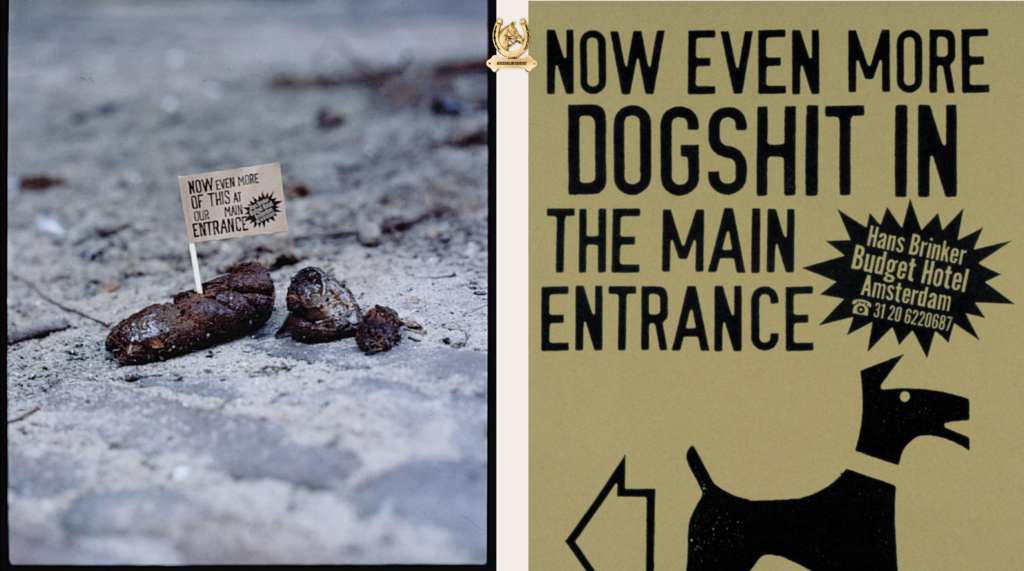
Hans Brinker uses a self-deprecating positioning campaign that turns the hotel’s weaknesses into its most recognizable brand assets.
The campaign presents basic accommodation, noise, limited comfort, and missing luxuries through the inflated language of conventional hotel advertising. Instead of hiding the absence of premium features, the creative exaggerates it. Lines about rooms without windows, free toilet flushing, or the presence of beds parody the claims made by mainstream hospitality brands.
This is a challenger-brand campaign. It is also an expectation-management campaign. The advertising tells budget-conscious guests that the experience is basic, social, irreverent, and far removed from formal hotel luxury.
The original agency describes the 1996 work as a celebration of the hotel’s “non-luxurious features,” using sensational advertising language to promote elements that another property would conceal.
The 1996 campaign for the hotel celebrates all the non-luxurious features of the hotel in the wonderful language of sensational advertising. The hotel’s great selling points of even more noise and more rooms without windows are some of the eye-catching phrases of this outdoor campaign.
It targeted young, media-aware travelers who valued price, social energy, humor, and a good story. It also filtered expectations before arrival. Guests did not enter the property expecting white-glove service, spacious suites, or silent corridors.
The creative voice made the hotel difficult to confuse with a generic hostel. It generated attention through honesty and gave guests material they could repeat to friends. The advertising also demonstrated a useful positioning lesson: a brand did not need universal appeal if it became highly relevant to a defined audience.
Hans Brinker’s tone had the courage to exclude people who were never suitable customers. That sharpened the appeal for people who understood the joke.
For that hotel ad, the Raffles butler becomes the central proof of the brand promise. The campaign communicates that service begins before a guest has to explain every requirement.
In other words, Raffles describes its butlers as people who understand guests’ needs and desires, at times before the guests recognize those needs themselves. The campaign therefore sells human perception as a luxury benefit.
Why it worked
Many luxury hotel advertisements used similar images: grand architecture, premium dining, beautiful destinations, and elegant suites. Raffles focused on the person who shaped the guest’s experience. That created a more ownable distinction.
Most importantly, it suggested that guests would not have to manage every detail themselves. That promise reduced effort and elevated care, which helped the service feel more valuable than a collection of expensive physical features.
Belmond – Discover a New Pace of Travel
Narrated by Tilda Swinton, the film invites audiences to move away from rushed, checklist-driven travel. It presents the journey, pauses, atmosphere, observation, and transition as valuable parts of the experience.
This is an experience-positioning campaign. Belmond does not compete through speed or functional efficiency. The brand frames slower movement as a form of access: access to landscapes, conversation, anticipation, culture, and a deeper awareness of place.
The campaign also aligns naturally with trains, river journeys, heritage hotels, and other travel experiences in which movement and setting carry emotional value.
Why it worked
Belmond offered a different rhythm. It transformed slowness from a potential inconvenience into evidence of discernment and luxury.
The narration added cultural weight and a distinctive tone. The campaign felt reflective, not transactional. That supported a premium position without depending on direct claims about thread counts, room dimensions, or amenities.
Hilton – For The Stay | Digital Check In | Shining Gold
Have you noticed how some hotel brands make you feel something long before you even check in? Hilton’s “For The Stay” campaign does exactly that.
Actually, it’s a standout example of how hospitality ads can connect emotionally while remaining grounded in smart technology. And, rather than focusing on destinations or discounts, Hilton centers the story on what truly matters: the stay itself.
When you want to start your holiday straight away, it matters where you stay. Hilton. For The Stay.
At Hilton, the stay is at the heart of everything we do. Beyond the moments of checking in and checking out, it’s an approach to travel and life. It’s about letting go of pressure, being present for the moments that matter, and pressing pause on the “go, go, go.
For anyone shaping the next generation of hospitality marketing, “For The Stay” reminds us that technology alone isn’t enough; it’s how we use it to make people feel valued that turns a good campaign into a great one.
Why it worked
It worked because Hilton didn’t market a feature or showcase a product; it solved a real guest problem. By making digital check-in feel effortless and rewarding loyal guests through Shining Gold, Hilton showed that good hotel marketing starts with making the entire stay process smoother.
Hotels.com – The Artist
In case you’ve seen that Hotels.com’s ad, you’ll know it’s not your typical travel ad. And that’s exactly what makes it such a smart example of modern hotel marketing campaigns.
This ad does not rely on glossy room shots or predictable vacation scenes but on strong character storytelling to highlight what makes the brand unique: simplicity and reliability in booking.
As McKinsey’s insights on brand engagement suggest, storytelling that simplifies decision-making can increase brand recall and preference by over 20%.
Finally, this Hotels.com’s advertisement proves that great hospitality marketing doesn’t have to sell luxury.
Why it worked
It worked because Hotels.com made booking feel fun & memorable. By taking humor and a relatable character to the center, the campaign cut through category sameness and made the brand feel friendly. So, it was easy to choose when it came time to book.
Marriott Hotels – Wonderful Hospitality. Always.
Here is a great example of focusing on something timeless: genuine hospitality.
The campaign celebrates the human side of the guest experience, reminding travelers that great stays come from people who care, not just amenities or design.
While competitors focus on booking ease or digital convenience, Marriott’s campaign reminds audiences why hospitality is important in the first place. Every marketer’s ultimate goal is to create a message that not only performs well but also lasts.
Why it worked
It worked because Marriott focused on how guests want to feel. This hotel campaign reinforced warmth and trust. The best part? It reminded travelers that wherever they go, they can expect the same welcoming experience.
Four Seasons – Take Your Time
What makes this Four Seasons’ ad a standout hotel advertisement idea is how the execution mirrors the core hospitality message. The slower pacing, cinematic tone, and minimalist narration create a sensory experience that mirrors the calm of a stay.
The daily challenge of keeping up with the frenzied, fast- paced, and often impersonal nature of everyday life often leaves us craving real connection, in person and in real time. Each year, millions of vacation days go unused despite countless surveys and reports highlighting the universal desire for more vacation time. Four Seasons Hotels and Resorts understands that time is the greatest luxury of all.
So, while many hospitality brands sell experiences, Four Seasons elevates time itself as the differentiator.
Why it worked
It worked because Four Seasons slowed everything down in a category obsessed with speed. The campaign spoke to travelers who value presence, calm, and meaningful moments. Not rushed experiences but thoughtful luxury.
Holiday Inn Express – Guest How You Guest
As you already know, travelers today want to feel seen and accepted, not told how to behave. By inviting guests to “guest how you guest,” the hotel marketing campaign empowers individuality; sleeping late, working in bed, or eating breakfast in slippers.
Unlike traditional hotel advertising that leans on aspiration, this campaign succeeds through relatability and humor. It mirrors the audience’s everyday travel realities, like messy routines, small indulgences, or spontaneous choices. Here is the ad with almost 20 million views:
Why it worked
It worked because Holiday Inn Express permitted guests to be themselves. The campaign leaned into everyday travel realities with humor and honesty, beyond luxury. And that approach made the brand feel relatable, stress-free, and perfectly suited to modern travelers.
Marriott Bonvoy – The ‘Here’ Anthem
The idea of “here” is deceptively simple from the view of a marketer. It captures both the literal and metaphorical meaning of travel.
The campaign’s poetic narration (“Here is where stories are lived, not just told…”) ties the act of travel to the act of living. That language elevates Marriott’s positioning beyond hospitality—it becomes a companion to life’s moments, both grand and ordinary.
It’s an anthem not about the brand, but about us, “the travelers.” Marriott simply becomes the bridge between those moments and the people who live them.
Why it worked
The campaign worked because it shifted the focus from points and perks to real moments. Celebrating presence, shared experiences, and the joy of being there, Marriott Bonvoy made loyalty feel “human.” At the end of the day, it strengthened the bond between the brand and its travelers.
Hyatt – #PerfectlyYours Hopeful Place
According to the Theory of Reasoned Action by Fishbein & Ajzen, consumers make decisions based on their attitudes toward a behavior and the social norms influencing it. In other words, they act when a purchase aligns with their inner desires and intended outcomes.
This principle is clearly reflected in Hyatt’s #PerfectlyYours campaign, one of the most emotionally intelligent travel marketing campaigns in recent years.
Through that campaign, Hyatt positions itself as a facilitator of emotional well-being, as a space for optimism, comfort, and reconnection. The campaign transforms the idea of staying at a hotel into a deeply personal act of self-renewal.
Got 22 million views just on YouTube, here is the ad:
Why it worked
It worked because Hyatt made personalization feel warm and human; in other words, it was not like a marketing claim. #PerfectlyYours and Hopeful Place showed that great hospitality comes from creating spaces that support emotional well-being and comfort.
Bulgari Hotels & Resorts – Bali
This one doesn’t come across as a full-fledged 360° campaign like the abovementioned ads, but it still works effectively within its luxury niche because of strong visual storytelling and brand consistency.
We include Bulgari’s marketing in that list due to its aspirational imagery and sensory appeal. So much so that the “shots” (visuals, cinematography, and atmosphere) do most of the persuasive work.
Each frame embodies the brand’s signature traits: refined exclusivity, Italian craftsmanship, and timeless elegance. While it doesn’t activate multiple touchpoints like social engagement, partnerships, UGC, or storytelling, it succeeds in maintaining Bulgari’s luxury positioning.
Why it worked
It worked because Bulgari sold a feeling with that campaign. By showcasing Bali, which has become a popular destination, through calm visuals, the campaign made the hotel feel like a rare escape where luxury is quiet.
FAQ about Hotel Marketing Campaigns & Advertising Ideas
Do hotel advertising campaigns really impact bookings?
The short answer is yes. As we stated above, advertising campaigns directly influence booking decisions, especially today. With most travelers/guests discovering and researching hotels online, well-executed campaigns increase visibility, shape perception, and keep the brand top of mind when it’s time to book. Campaigns that show real experiences are more likely to convert interest into action, for both direct bookings and long-term brand preference.
How to create successful hotel advertising campaigns?
As in other areas, creating successful hotel advertising campaigns begins with clear goals and audience understanding. Start by analyzing traveler behavior, booking trends, and guest reviews to identify what motivates your ideal customer. Then build a creative concept that reflects your brand personality while addressing traveler intent: comfort, exclusivity, affordability, or experience.
What’s more, successful hospitality ads integrate multiple layers, as follows:
Authentic storytelling (showing people, not just places).
Personalized targeting using CRM and retargeting data.
Compelling visuals that communicate emotion in seconds.
A clear call to action, such as direct booking incentives or local experience offers.
What are the best channels for hotel campaigns?
Google Search and Meta Ads are still the top sources of booking conversions.
Instagram and TikTok drive discovery; Facebook and LinkedIn support partnerships.
Email marketing is the highest-ROI tool in hospitality for personalized re-engagement and loyalty offers.
Programmatic display & OTA integrations are also great for visibility and brand consistency.
What can we learn from hotel advertisement examples?
Sell experiences, not rooms, since guests & travelers buy memories. Show local connection. Highlight neighborhoods, people, and culture. Stay consistent at every creative touchpoint, from digital banners to in-room materials.
How to generate creative hotel advertisement ideas?
No doubt, generating creative ideas for hotel advertising starts with empathy. Listen to your guests; their reviews, social posts, and feedback. Then explore visual storytelling inspired by real experiences: local artisans, hidden city gems, or emotional guest moments.
Use brainstorming prompts like:
“What emotion do we want guests to feel before they book?”
“What can we show that no other property can?”
“How would we describe our hotel if it were a person?”
When in doubt, look at leading hotel advertisement examples to see how others translated brand identity into emotional resonance, and then make it your own.
What makes a hotel marketing campaign successful?
As we stated throughout the blog, a hotel marketing campaign is successful when it goes beyond promotion and focuses on experience. The most effective campaigns (listed above) combine emotions, storytelling, strong content, and digital-first execution to help travelers imagine the stay before booking. What’s more, successful hotel campaigns are strategic: they use data to target the right audience, appear across the right channels (social media, search, video, and websites), and maintain a brand message that builds recognition over time.
🍀 With a background in general linguistics and a master's degree in the same field, I'm a new-age content executive who enjoys tackling the ins and outs of digital marketing. I've had the chance to work with amazing brands like SAP, SOITRON, Nagarro, Cisco, BTC, and BIESSE, which has helped me understand the real challenges marketers face every day. From paid ads to AI marketing and social media strategy, I’m always looking for creative ways to solve problems and make an impact! 😊
Recommended Agencies
Discover how these Hospitality Marketing specialists can elevate your digital presence. Explore their proven strategies, Hospitality Marketing examples & success stories!
Tourism has evolved over the last century. If you go back in history and see …
Let’s Keep in Touch!
Subscribe to keep up with fresh news and exciting updates. We promise not to spam you!
Manage Consent
To provide the best experiences, we use technologies like cookies to store and/or access device information. Consenting to these technologies will allow us to process data such as browsing behavior or unique IDs on this site. Not consenting or withdrawing consent, may adversely affect certain features and functions.
Functional
Always active
The technical storage or access is strictly necessary for the legitimate purpose of enabling the use of a specific service explicitly requested by the subscriber or user, or for the sole purpose of carrying out the transmission of a communication over an electronic communications network.
Preferences
The technical storage or access is necessary for the legitimate purpose of storing preferences that are not requested by the subscriber or user.
Statistics
The technical storage or access that is used exclusively for statistical purposes.The technical storage or access that is used exclusively for anonymous statistical purposes. Without a subpoena, voluntary compliance on the part of your Internet Service Provider, or additional records from a third party, information stored or retrieved for this purpose alone cannot usually be used to identify you.
Marketing
The technical storage or access is required to create user profiles to send advertising, or to track the user on a website or across several websites for similar marketing purposes.
To provide the best experiences, we use technologies like cookies to store and/or access device information. Consenting to these technologies will allow us to process data such as browsing behavior or unique IDs on this site. Not consenting or withdrawing consent, may adversely affect certain features and functions.
Functional
Always active
The technical storage or access is strictly necessary for the legitimate purpose of enabling the use of a specific service explicitly requested by the subscriber or user, or for the sole purpose of carrying out the transmission of a communication over an electronic communications network.
Preferences
The technical storage or access is necessary for the legitimate purpose of storing preferences that are not requested by the subscriber or user.
Statistics
The technical storage or access that is used exclusively for statistical purposes.The technical storage or access that is used exclusively for anonymous statistical purposes. Without a subpoena, voluntary compliance on the part of your Internet Service Provider, or additional records from a third party, information stored or retrieved for this purpose alone cannot usually be used to identify you.
Marketing
The technical storage or access is required to create user profiles to send advertising, or to track the user on a website or across several websites for similar marketing purposes.
We use cookies to improve your experience, analyze site traffic, and support marketing activities. By clicking "Accept", you consent to our use of cookies. For details, see our Terms & Conditions and Privacy Policy.