














AI Video Marketing Strategy: From Creative Brief to Brand Campaign
A good brand campaign starts with a clear idea. Turning that idea into a finished video is often the harder part.
Marketing teams need scripts, visuals, storyboards, and editing. They also need different versions for social media, paid ads, and product pages. Each step takes time. Every revision adds more work.
I have always found this gap between planning and production interesting. A marketing team may develop a strong campaign idea in one meeting. Yet turning that idea into several videos can take weeks.
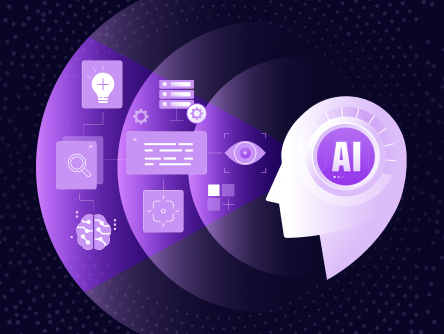
AI video is changing this process.
In 2026, AI marketing tools can help teams develop concepts, generate scenes, and test different creative directions without starting from scratch each time.
However, faster production does not guarantee a successful campaign. Teams still need a clear message, a defined audience, and a way to measure results.
This guide explains how to build an AI video marketing strategy that turns a creative brief into a complete brand campaign.
Why Traditional Brand Campaign Production Takes So Long
Traditional video production follows a series of steps.
A marketing team develops a creative brief. A production team turns that brief into a script and storyboard. The team then organizes filming, editing, and final approval.
This process works well for major productions. However, it becomes expensive when brands need frequent content updates.
Every New Concept Adds Production Work
Consider a small e-commerce brand launching a new product.
The marketing team wants to test three advertising concepts. One focuses on product benefits. Another uses lifestyle storytelling. The third highlights a common customer problem.
Traditional production may require different scripts, scenes, and filming arrangements.
Even when the team reuses footage, each variation needs additional editing.
This limits creative testing. Teams often choose one concept before they know which message will work best.
More Marketing Channels Create More Work
A single brand campaign may include YouTube videos, Instagram Reels, TikTok ads, and landing page content.
These formats serve different purposes.
A short social video needs to capture attention quickly. A landing page video needs to explain the product clearly. A YouTube video may need more context.
One video rarely works equally well everywhere.
Marketing teams must adjust the opening, pacing, format, and call to action for each channel.
AI video production helps reduce this extra work by making visual variations easier to create.
What Is an AI Video Marketing Strategy?
An AI video marketing strategy is a planned approach to using AI throughout video campaign production.
It goes beyond generating videos from text prompts.
A complete strategy connects five activities:
- Campaign planning and creative development
- Scriptwriting and storyboarding
- AI video generation and editing
- Creative testing across marketing channels
- Performance analysis and improvement
The goal is not to automate every decision.
The goal is to reduce repetitive production work while keeping marketing objectives clear.
For example, AI can generate several product video concepts from one brief. However, the marketing team must still decide which concept communicates the product’s value most clearly.
I find this distinction important.
AI can help execute creative ideas. It cannot determine whether those ideas are relevant to customers without useful direction and feedback.
That is why a successful AI video workflow begins with strategy rather than generation.
How to Turn a Creative Brief into an AI Video Campaign
The easiest way to understand AI video marketing is to follow a practical production process.
I will use a simple example throughout this section.
Imagine a small brand launching a new desk organizer. The company wants to reach people who work from home.
The marketing team needs product videos, social ads, and landing page content.
Here is how the campaign could move from planning to production.
Step 1: Define the Campaign Objective
Before generating anything, I would write a short creative brief.
The brief should explain what the campaign needs to achieve.
For our desk organizer example, the brief might include:
- Product: A modular desk organizer
- Target audience: People who work from home
- Customer problem: Limited desk space and clutter
- Main benefit: Helps organize everyday desk items
- Campaign objective: Increase product page visits
- Primary channels: Instagram, TikTok, and Meta ads
- Call to action: Explore the collection
This information gives the campaign direction.
Without it, an AI video generator may create attractive scenes that do not explain why someone should consider the product.
A clear brief also makes creative review easier. Every video can be evaluated against the same objective.
Step 2: Develop Different Creative Concepts
The next step is turning the brief into visual ideas.
I would start with three concepts.
Concept A: Problem and Solution
The video opens with a cluttered desk. The organizer appears, and the scene changes into a cleaner workspace.
This concept focuses on solving a familiar problem.
Concept B: Product Demonstration
The video shows the organizer from different angles. Each scene highlights a specific product feature.
This concept focuses on clarity.
Concept C: Lifestyle Storytelling
The video follows someone preparing a desk for a productive morning.
This concept connects the product with a daily routine.
All three concepts promote the same product. However, they communicate different reasons to care.
AI video tools make it easier to explore these directions before committing to a final campaign.
Step 3: Create a Storyboard and Shot List
Once the concepts are clear, the team needs to plan the scenes.
A storyboard helps define the purpose of each shot.
For example, the product demonstration could follow this structure:
Scene 1: Introduce the Problem
Visual: Close-up of a cluttered desk.
Purpose: Capture attention and establish the problem.
Scene 2: Present the Product
Visual: The organizer appears on the desk.
Purpose: Introduce the solution.
Scene 3: Demonstrate Key Features
Visual: The camera moves across different compartments.
Purpose: Show how the organizer works.
Scene 4: Show the Result
Visual: A wide shot of the organized workspace.
Purpose: Help viewers picture the benefit.
Scene 5: Encourage Action
Visual: Product packaging appears alongside the brand message.
Purpose: Direct viewers toward the product page.
This structure gives the AI clear instructions.
It also reduces unnecessary generation.
Instead of creating random clips and trying to connect them later, the team knows what each scene needs to communicate.
Some AI video platforms also offer agent-based workflows that help organize scene lists and visual references.
These systems can support planning, but the marketing team should still approve the final storyboard.
Step 4: Generate the Campaign Videos
After the storyboard is approved, the team can begin AI video production.
There are two useful starting points.
Text-to-Video Generation
This method creates scenes from written descriptions.
It works well for lifestyle settings, background visuals, and creative concepts that do not require an exact product reference.
Image-to-Video Generation
This method starts with an existing image.
It is useful when the brand already has approved product photography or design assets.
For our desk organizer campaign, I would start with product images whenever possible.
The AI can use these visuals as references for camera movement and scene composition.
This approach may help preserve product details more effectively than generating the product entirely from text.
However, the team still needs to check the final output.
AI may change shapes, materials, or product features during generation.
The final video should represent the actual product accurately.
Step 5: Maintain Brand Consistency
Creating several videos is easy to understand. Making them feel like one campaign is harder.
Brand consistency depends on repeated visual decisions.
These include colors, typography, product appearance, lighting, and overall tone.
I would create a small reference library before generating the final videos.
The library could include:
- Approved product photographs
- Brand color references
- Logo and typography guidelines
- Preferred lighting examples
- Sample video frames
- Approved product descriptions
Every creative variation should follow these references.
This matters because customers may encounter different campaign videos on different platforms.
Consistent visuals help them recognize that the content belongs to the same brand.
Step 6: Create UGC-Style Ads for Social Media
Not every campaign needs a polished commercial.
Social media marketing often uses simpler formats that resemble everyday creator content.
UGC-style ads are one example.
These videos usually feature a person introducing a product, explaining a benefit, or showing how the product fits into daily life.
Brands traditionally produce this content by working with creators or filming in-house.
AI tools offer another option.
For example, Loova’s AI UGC Ad Maker allows marketers to start with product images or a product URL, select an AI presenter, and build an ad around a hook and key message.
For our desk organizer campaign, the team could create a short presenter-led video explaining how the organizer helps keep a workspace tidy.
The team could then test different opening lines or presentation styles.
One important rule remains.
AI-generated presenters should not be used to invent customer experiences or testimonials.
The brand should keep product claims accurate and follow the disclosure requirements of the advertising platform.
Step 7: Review and Prepare the Final Campaign
Before publishing, I would review every video against the original brief.
The review should answer a few questions:
- Does the product look accurate?
- Is the main benefit easy to understand?
- Does the opening match the target audience?
- Is the branding consistent?
- Does the CTA match the campaign objective?
The team should also check captions, audio, and platform formats.
This review prevents small production errors from becoming public-facing marketing problems.
Why Creative Consistency Matters in AI Marketing
AI can generate many visual variations. That flexibility is useful, but it creates a new challenge.
Every generation may introduce small differences.
A product may appear in a different color. A character may change appearance. The lighting may no longer match the rest of the campaign.
These differences can weaken brand identity.
I would solve this problem by separating fixed elements from flexible elements.
Fixed elements include the product design, logo, brand colors, and key message.
Flexible elements include camera angles, opening hooks, backgrounds, pacing, and supporting visuals.
This approach gives the team room to experiment without changing the core brand identity.
It also makes approval easier.
Reviewers only need to check whether the new creative direction follows the established campaign rules.
How to Reuse Successful Advertising Formats
Creating every ad from scratch is not always necessary.
Marketing teams can study the structure of existing advertisements.
For example, a successful ad might follow this sequence:
- Introduce a familiar problem.
- Show a product solving that problem.
- Demonstrate the main benefit.
- End with a clear CTA.
The structure can be useful even when the original product and audience are different.
This is where reference-based AI marketing tools become relevant.
Loova’s Viral Ad Clone allows teams to analyze a reference ad’s hook, pacing, scene structure, and CTA, then build a new version using their own product assets and message.
For our desk organizer example, the marketing team could use an approved reference structure and adapt it into a product demonstration.
The goal should be to learn from the format rather than copy another brand’s identity.
Teams should use references they own or have permission to use. They should also develop original scripts, visuals, and brand messages.
A successful reference provides a starting point, not proof that the new ad will perform well.
How to Test AI Video Campaigns Effectively
AI makes video variations easier to produce. However, testing still requires a clear plan.
I would begin by identifying one variable to test.
For example, the desk organizer campaign could use three different opening hooks.
Hook A: “A better way to organize your desk.”
Hook B: “Running out of desk space?”
Hook C: “See how this organizer fits into your workspace.”
Each video would use the same product, offer, and CTA.
This makes it easier to compare the effect of the opening message.
Track the Right Campaign Metrics
Different marketing goals require different metrics.
For awareness campaigns, I would review reach, watch time, and completed views.
For traffic campaigns, I would focus on click-through rate and landing page visits.
For sales campaigns, I would track conversion rate, cost per acquisition, and return on ad spend.
These measurements help explain where the campaign needs improvement.
For example, strong viewing results with weak click-through rates may suggest that the video attracts attention but does not explain the next step clearly.
The team could test a different CTA or product message.
However, one metric rarely tells the full story.
Audience targeting, placement, and landing page quality also affect results.
Improve the Creative Before Increasing Volume
I would not generate dozens of new videos immediately.
I would start with a small test.
The team could launch three variations, review the results, and identify which creative approach deserves further testing.
This process creates a useful feedback loop.
The team learns from performance before investing in more production.
Choosing the Right AI Video Production Tools
The best AI video generator for marketing is not always the model with the most impressive visuals.
Marketing teams need tools that support their entire production process.
I would evaluate five areas.
Generation Flexibility
Can the platform create videos from text, images, and references?
Different campaigns need different starting points.
Creative Control
Can the team guide camera movement, visual style, and scene composition?
Control becomes important when several assets must follow the same brand direction.
Editing and Refinement
Can the team adjust an existing result without rebuilding the entire project?
Fewer unnecessary generations can reduce production costs.
Model Selection
Different AI video models have different strengths.
A model suited to cinematic storytelling may not be the best choice for a simple product demonstration.
Access to several models allows teams to choose based on the project.
Workflow Integration
I would also consider how many tools are needed to finish one campaign.
Separate tools create extra work when files move between systems.
Platforms such as Loova AI combine AI image generation, video models, editing tools, and creative workflows in one environment.
For marketing teams, this can simplify the transition from visual concept to campaign asset.
The main benefit is not the number of available features. It is the ability to connect production steps without unnecessary tool switching.
How to Measure AI Video Marketing ROI
Lower production costs are useful, but they do not automatically improve campaign returns.
I would measure two things separately.
Production Efficiency
The first measurement is the cost of producing approved creative assets.
A useful formula is:
Cost per approved video = Total production cost ÷ Number of approved videos
Total production cost should include AI generation fees, editing time, and internal labor.
For example, imagine a team spends $360 to produce nine approved videos.
The cost per approved video is $40.
This is an illustrative calculation, not a benchmark.
The team can compare that figure with its previous production process.
Marketing Performance
The second measurement is campaign performance.
A cheaper video may still perform poorly.
For paid advertising, the team should monitor conversion rate, cost per acquisition, and return on ad spend.
For brand awareness, reach and viewing behavior may be more relevant.
The strongest result is not simply lower production cost. It is lower production cost while maintaining or improving campaign effectiveness.
Common Mistakes in AI Video Brand Campaigns
AI video production creates new opportunities, but it also makes some mistakes easier.
Starting Without a Clear Brief
An unclear brief leads to inconsistent messaging.
I would always define the audience, product benefit, and campaign objective before generating videos.
Producing Too Many Variations
More content does not guarantee better results.
Every variation should test a meaningful creative idea.
Ignoring Product Accuracy
AI-generated product visuals may contain incorrect details.
Brands should review packaging, colors, features, and product claims before publishing.
Removing Human Review
AI can support execution, but people still need to judge whether the content fits the brand and audience.
Marketing strategy should guide automation, not the other way around.
What Comes Next for AI Video Marketing?
I expect AI video workflows to become more connected.
Instead of using separate tools for scripts, images, videos, and editing, marketing teams will increasingly work inside integrated creative environments.
This could make campaign development more flexible.
Teams may be able to test concepts earlier and update creative assets more often.
However, better tools will not remove the need for strong marketing ideas.
As video production becomes easier, clear positioning and original creative direction will become even more important.
Final Thoughts
A successful AI video marketing strategy begins with a clear creative brief.
The brief defines the audience, message, and campaign objective.
AI tools then help turn those decisions into storyboards, videos, and creative variations.
The marketing team reviews the output, tests different approaches, and improves the campaign using performance data.
This process can reduce production work and make experimentation more affordable.
For teams starting with AI video, I would recommend testing one real campaign first.
Choose a product, prepare a clear brief, create a few variations, and compare the results.
That is a practical way to understand where AI adds value without changing the entire production process at once.
Frequently Asked Questions
What is an AI video marketing strategy?
An AI video marketing strategy uses AI tools to support campaign planning, video creation, editing, and testing. It connects content production with marketing objectives such as awareness, traffic, or sales.
How can AI turn a creative brief into a marketing video?
A marketing team starts by defining its audience, message, and campaign objective. AI tools can then help develop concepts, organize scenes, and generate video drafts. The team reviews and refines the output before publishing.
Can AI create complete brand campaigns?
AI can support many production stages, including concept development, storyboarding, video generation, and creative variation. However, marketing teams still need to approve messaging, check visual accuracy, and manage campaign performance.
What are the best AI video tools for marketing teams?
The best tools depend on the campaign requirements. Marketing teams should look for flexible generation methods, editing controls, brand consistency features, and workflows that reduce manual production work.
How does AI reduce video production costs?
AI can reduce some filming, animation, and revision tasks. It also makes early creative testing less expensive. Actual savings depend on the campaign, the number of usable outputs, and the amount of human editing required.
Can AI-generated videos maintain brand consistency?
Yes, but consistency requires planning. Teams should use approved product images, brand guidelines, reference visuals, and structured prompts. Human review remains important because AI can introduce unwanted visual changes.
How can marketers test AI-generated video ads?
Marketers can create several versions of an ad with different hooks, visuals, or calls to action. They should test a limited number of changes at a time and compare results using relevant campaign metrics.
Is AI video production suitable for small businesses?
AI video can be useful for small businesses with limited production resources. It allows teams to create product videos, social content, and ad variations without arranging a full shoot for every asset.
What is the difference between AI video marketing and traditional video marketing?
The marketing objectives remain similar. The main difference is the production process. AI can reduce manual work during concept development, generation, and editing. Traditional production provides greater direct control over physical filming.
How should brands measure AI video marketing ROI?
Brands should measure both production efficiency and campaign results. Useful metrics include cost per approved video, production time, conversion rate, cost per acquisition, and return on ad spend.